How to Use Lighting to Transform Your Living Space
April 21, 2026
April 21, 2026
San Francisco and the Bay Area are home to some of the most architecturally diverse neighborhoods in the country. From Victorian and Edwardian gems in Pacific Heights and Noe Valley to mid-century ranches in Marin and sleek modern builds in SoMa, the character of each home is distinct. But no matter the style, the way you light your home has an enormous impact on how it looks, feels, and functions day to day. Elegant lighting is rarely the first thing buyers or homeowners think about when transforming a space, but it is almost always what separates a room that feels alive from one that falls flat.
The good news is that you don’t need a full-scale renovation to see dramatic results. Strategic lighting choices,whether you’re swapping out a dated overhead fixture or layering in ambient, task, and accent light for the first time, can reshape the mood and perceived size of any room. In a market where square footage commands a premium and design expectations run high, lighting is one of the most cost-effective investments you can make.
This guide will walk you through how to think about lighting your home the way an interior designer would: with intention, layering, and a keen eye toward the details.
Before you start shopping for fixtures or bulbs, it helps to understand the framework that professional designers use when planning a room’s lighting. Most well-lit spaces rely on three distinct layers working together: ambient, task, and accent lighting. When all three are present and balanced, a room feels complete. When one is missing, something always seems off, even if you can’t immediately identify why.
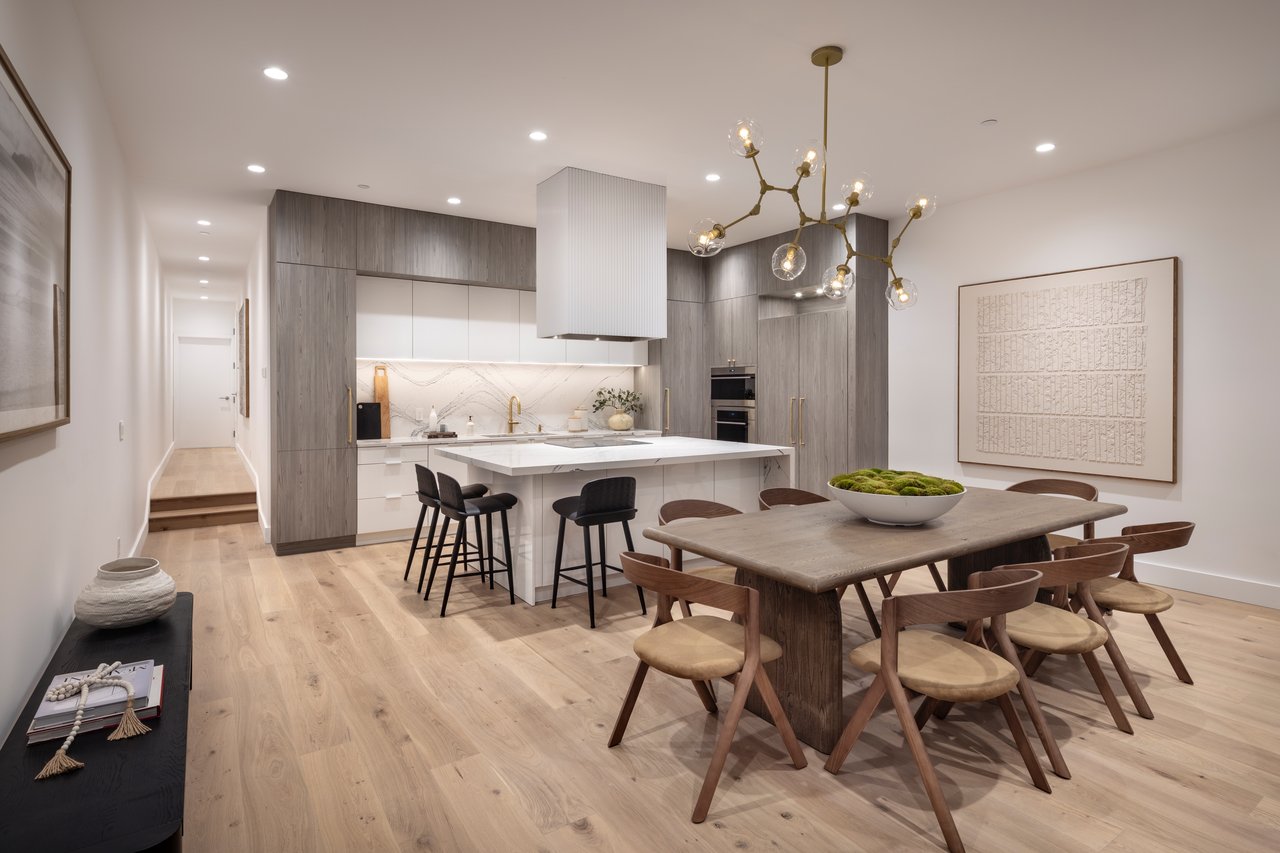
Ambient lighting is the base layer. It fills a room with general illumination and typically comes from ceiling-mounted fixtures, recessed lights, or large pendants. In homes with high ceilings (common across San Francisco’s Victorians, Edwardians, and many Marin estates), this layer is especially important because the volume of the space can feel cold and cavernous without adequate overhead light. A statement chandelier in a formal living room or a series of recessed fixtures on a dimmer can provide the kind of even, foundational light that makes a room feel inviting without feeling overexposed.
Task lighting focuses light where you actually use it. Reading lamps beside a sofa, under-cabinet lighting in a kitchen, or a well-positioned floor lamp near a desk all fall into this category. Task lighting reduces eye strain and makes everyday activities more comfortable. In Bay Area homes that merge historic architectural character with contemporary living habits, task lighting is where personal style can really shine through.
One of the most underappreciated aspects of lighting design is how artificial light interacts with the natural light your home receives. The Bay Area is blessed with extraordinary natural light on clear days, but our famous microclimates mean conditions can change block by block and hour by hour. Hillside neighborhoods in San Francisco enjoy expansive views and generous sunshine, while homes in Marin’s wooded canyons may sit under a canopy of redwoods. Fog rolls through the Golden Gate and can leave coastal neighborhoods shrouded in gray while inland areas stay bright.
This variability means that a thoughtful lighting plan has to account for both conditions. During bright, clear afternoons, you may want the option to filter direct sunlight with sheer linen panels while relying on natural light for most of your ambient needs. On overcast days, your artificial lighting needs to carry the full weight of making the space feel warm and functional. Layered lighting with dimmer controls is particularly valuable in this context because it gives you the flexibility to adjust as conditions change.
Window treatments also play a significant role. Sheer curtains allow diffused light to enter without creating harsh glare, while heavier drapes can block out light entirely when needed. The goal is to design a system—both natural and artificial—that keeps your space looking its best regardless of the weather.
Fixtures are the furniture of your lighting plan. They do the functional work, but they also contribute significantly to the aesthetic character of a room. In the Bay Area, where interiors range from carefully preserved Victorian originals to spare contemporary renovations and everything in between, the fixture you choose is an opportunity to either honor the home’s architecture or deliberately contrast it for effect.
For homes with period-appropriate interiors, look for fixtures in aged brass, oil-rubbed bronze, or antique nickel. These finishes complement original woodwork and moldings without feeling overdone. For more contemporary spaces, matte black and brushed nickel have become the dominant choices precisely because they read as clean and modern without demanding attention. Statement pendants work particularly well in homes with high ceilings, where there’s enough vertical space to hang a sculptural fixture without it overwhelming the room.
Don’t overlook the impact of scale. A fixture that is too small for a room disappears and fails to provide adequate light, whereas a fixture that is too large can feel oppressive. A general rule is that the diameter of a chandelier or pendant in inches should roughly equal the sum of the room’s length and width in feet.
A well-lit room should feel comfortable at every time of day and allow you to perform any activity without straining your eyes. If you find yourself consistently switching on lamps or ceiling lights during daylight hours, or if certain corners of the room always feel dim, you likely need additional light sources. A good test is to turn off all artificial light and evaluate what the natural light alone provides. Then, layer your artificial sources back in until the room feels balanced.
In the Bay Area, where homes have remarkable architectural character across a wide range of styles, the most impactful upgrades tend to be fixtures that complement the home’s existing design. Installing dimmer switches across all existing fixtures is a high-return, low-cost starting point. From there, replacing outdated overhead fixtures with something appropriately scaled and finish-appropriate makes a notable visual difference. If your home has art, accent lighting is one of the best investments you can make.
Smart lighting systems that allow you to control color temperature, brightness, and scheduling from your phone or a central hub are increasingly popular in the Bay Area’s tech-savvy market. The ability to automate lighting based on time of day is particularly useful given the region’s variable natural light. Smart bulbs can also extend the lifespan of your existing fixtures by letting you fine-tune output without replacing hardware.
Bay windows are one of San Francisco’s most beloved architectural features, and they deserve thoughtful treatment. Avoid placing floor lamps directly in front of bay windows, where they’ll create a glare during daylight hours. Instead, use the bay as a reading nook with a small, directional task lamp, and rely on ceiling fixtures or sconces for ambient light in the rest of the room. In the evening, the inward curve of a bay window can beautifully reflect warm light from a nearby floor lamp or pendant.
Lighting your home well is part craft, part intuition, and entirely worth the attention. When you approach it as a layered system rather than a series of individual fixtures, you’ll find that even modest changes have a substantial effect on how a room feels from morning to evening.
If you’re preparing your home for the market and wondering how to make your living space feel more intentional and inviting, The Binnings Team is here to help. We can connect you with local design professionals, share what buyers in this market respond to, and guide you through the updates that will have the greatest impact on your home’s presentation and value.
Stay up to date on the latest trends

September 9, 2026
Technology That Makes Daily Living Easier, More Efficient, and More Connected
August 24, 2026
Your insider guide to what’s happening on both sides of the bridge!

News
August 21, 2026
Inside the creative financing strategies reshaping Bay Area homebuying
News
August 13, 2026
How wellness, longevity, and resilience are reshaping what Bay Area buyers want at home.

July 27, 2026
Your insider guide to what’s happening on both sides of the bridge!

July 21, 2026
From global flagships to boutique debuts, here's what just opened and what's coming next.
News
July 19, 2026
Why buyers have more leverage in some markets while competition continues to intensify in others.

News
July 9, 2026
What the next wave of AI wealth could mean for the city's housing market.

June 23, 2026
Your insider guide to what’s happening on both sides of the bridge!
From strategy to sold
The Binnings Team is one of the Bay Area's most successful agent teams, consistently ranked among the top-performing agents in San Francisco and Marin. Whether you're buying or selling a home, we can help you get the most for your investment.