San Francisco's Most Character-Rich Neighborhoods Are Oversold. Here's Why That Matters.
February 17, 2026
February 17, 2026
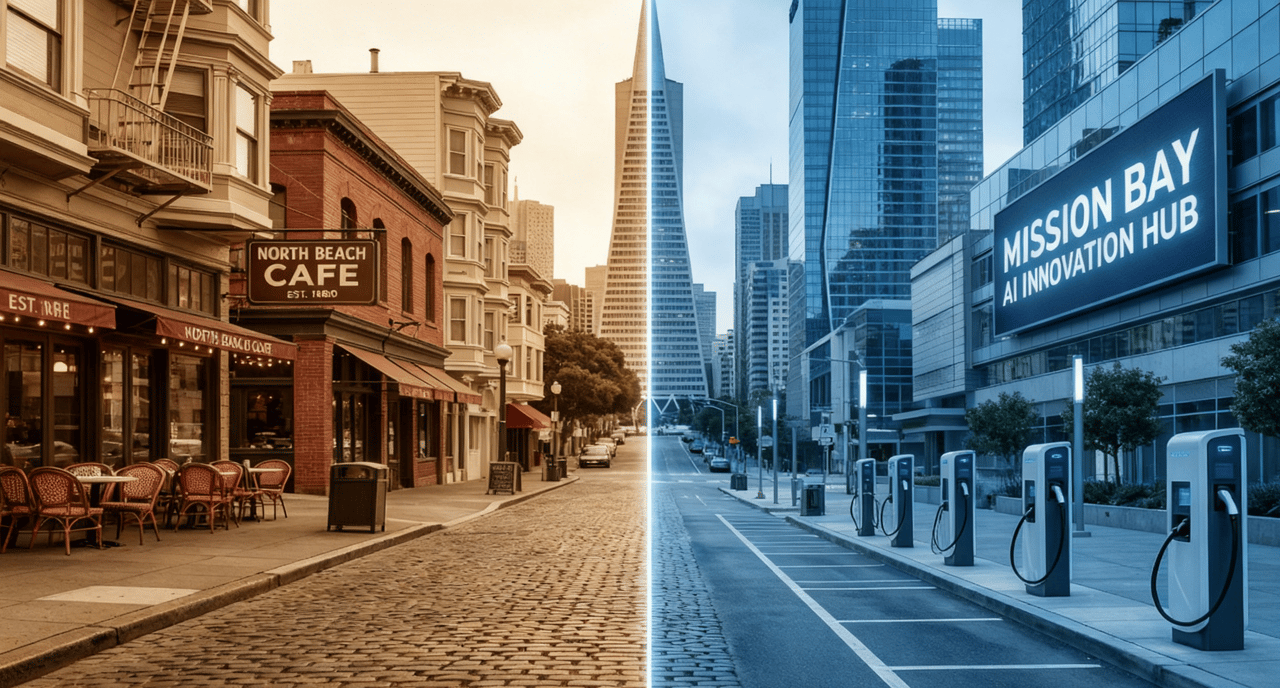
If you spend any time in the stock market, you're probably familiar with the concept of mean reversion. When an asset gets beaten down well below its intrinsic value, it doesn't stay there forever. Eventually, buyers recognize the disconnect, step in, and the price reverts back toward its historical mean. It's one of the most reliable patterns in financial markets, and right now, it's playing out in real time across some of San Francisco's most beloved neighborhoods.
During the pandemic, something unusual happened to the city's geography of demand. Neighborhoods like North Beach, Telegraph Hill, and the areas around Jackson Square, places that had always commanded a premium precisely because of their proximity to the city's core, suddenly became liabilities. People wanted space, quiet, and distance from downtown. The migration pushed buyers toward the outer neighborhoods: Lake Street, Sea Cliff, the Sunset. And the trend had stickiness. Even as the pandemic faded, the bounce back in those core neighborhoods has been, to put it charitably, lackluster.
But here's the thing about neighborhoods with real character: they don't lose what makes them special just because sentiment shifts temporarily. North Beach is still one of the most European-feeling corners of any American city. Telegraph Hill still has the views, the charm, the architecture. These aren't neighborhoods that need to be reinvented. They just need the market to catch up with reality.
And there are tangible reasons to believe that's starting to happen.
One of the most significant and underappreciated developments in San Francisco real estate right now is the emergence of what you might call the AI corridor. Starting roughly at Jackson Square and stretching south through South Beach, Mission Bay, and into Dogpatch, there's a growing concentration of tech and AI companies setting up shop that is beginning to reshape the demand picture for nearby housing.
Jackson Square itself has seen a notable influx of venture capital activity and investment. The Transamerica Pyramid just underwent the first major phase of a renovation that came in around $250 million, with the full redevelopment widely reported around $400 million. That isn't the kind of money you pour into a neighborhood you think is going sideways.
A few blocks south, the gravitational pull is getting stronger. OpenAI has already planted a serious flag in Mission Bay and has reportedly explored further expansion in that district as well, pushing its footprint beyond what most people realize.
And it isn’t only “AI companies” in the abstract. You’re also seeing confidence-signaling bets in the city’s core. Databricks has announced a major move to One Sansome as its new San Francisco headquarters, with plans to occupy roughly 150,000 square feet and room to expand. Anthropic has doubled down on San Francisco too, taking over an entire downtown office building, another sign that the center of gravity is pulling back toward the city rather than away from it.
What all of this means for neighborhoods like North Beach and Telegraph Hill, which sit at the northern end of this emerging corridor, is that the demand drivers are shifting back in their favor. The people working at these companies need to live somewhere, and proximity to the office still matters, even in the age of hybrid work. When you overlay the return of these high-paying jobs with the inherent desirability of these neighborhoods, the mean reversion thesis gets pretty compelling.
Of course, mean reversion trades require patience and a tolerance for being early. Just because something is undervalued doesn't mean it snaps back next quarter. The pandemic migration patterns had more staying power than most people expected, and the recovery in these core neighborhoods is happening gradually, not overnight.
That said, there are some structural tailwinds worth noting. The city is under serious state pressure to enable more housing, and San Francisco’s zoning changes are designed to raise allowed density across many neighborhoods. And on the execution side, the city has been pushing a permitting reset, including a new online permitting portal and a broader effort to reduce the friction that has historically slowed development.
The combination of improving regulatory conditions, a growing employment base nearby, and prices that still reflect pandemic-era pessimism creates an interesting window. Like any good mean reversion setup, the best time to position yourself is before consensus catches on, not after.
If you're considering a purchase in one of San Francisco's core neighborhoods, particularly the ones that took the hardest hit during the pandemic exodus, here are a few things worth keeping in mind.
First, pay attention to what's happening at the commercial level nearby. When major companies and investors are pouring capital into an area, residential demand tends to follow. The Transamerica renovation, the AI buildout around Mission Bay, and the expanding footprint of AI-heavy employers across downtown and SoMa are leading indicators, not lagging ones.
Second, understand that the discount you're seeing in these neighborhoods relative to their pre-pandemic peaks is unlikely to persist indefinitely. The character, the walkability, the culture that made these places desirable in the first place hasn't gone anywhere. What changed was sentiment, and sentiment is cyclical.
Third, consider your time horizon. If you're looking for a quick flip, a mean reversion trade probably isn't your play. But if you're buying with a five-to-ten year outlook, acquiring in a neighborhood that's been oversold and is sitting near some of the most significant commercial investment the city has seen in years is a position that could reward you handsomely.
The neighborhoods that define San Francisco's identity didn't stop being special in 2020. The market just temporarily forgot. And forgetting, as any trader will tell you, is a correctable condition.
Stay up to date on the latest trends

September 9, 2026
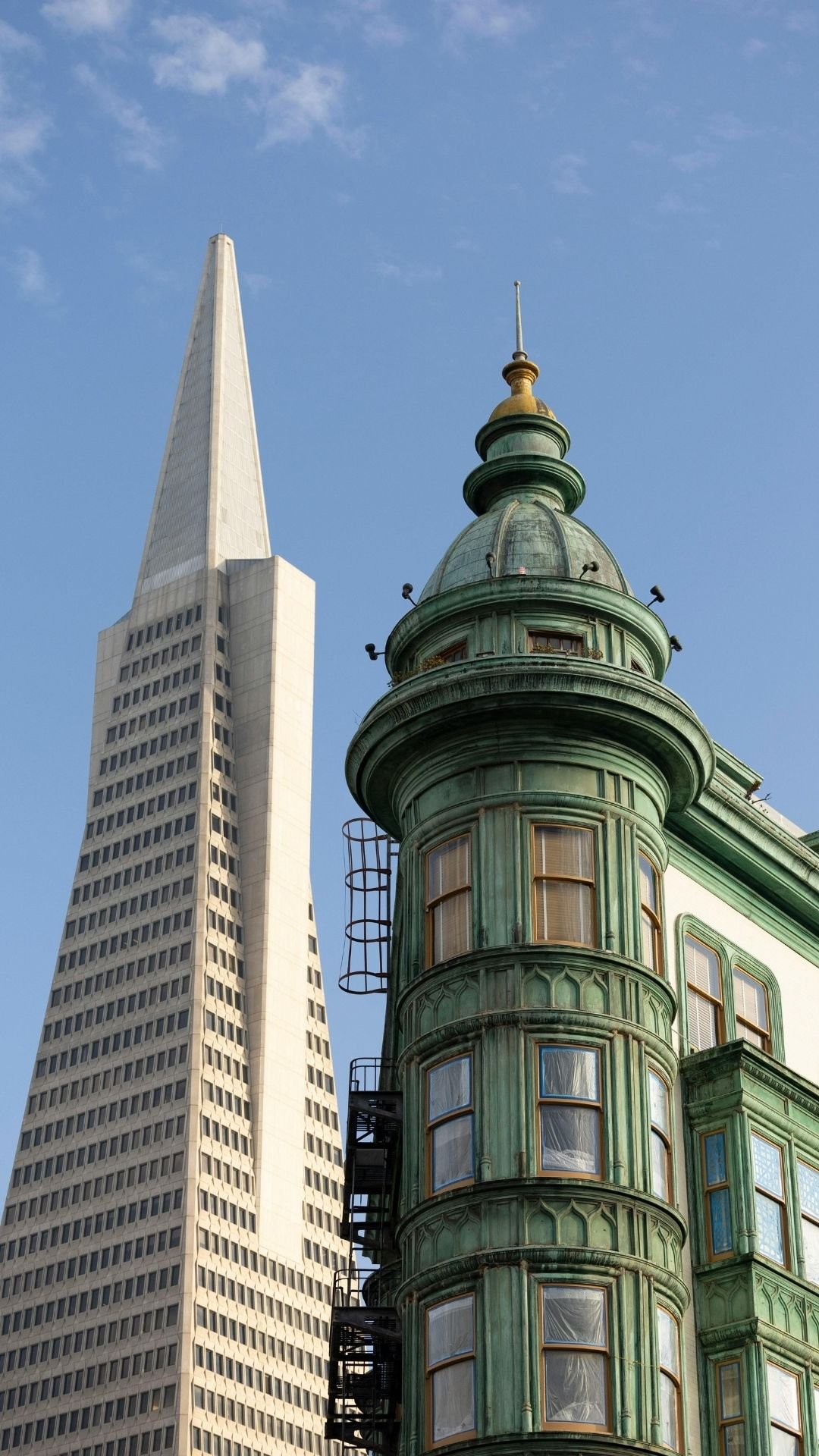
Technology That Makes Daily Living Easier, More Efficient, and More Connected
August 24, 2026
Your insider guide to what’s happening on both sides of the bridge!

News
August 21, 2026
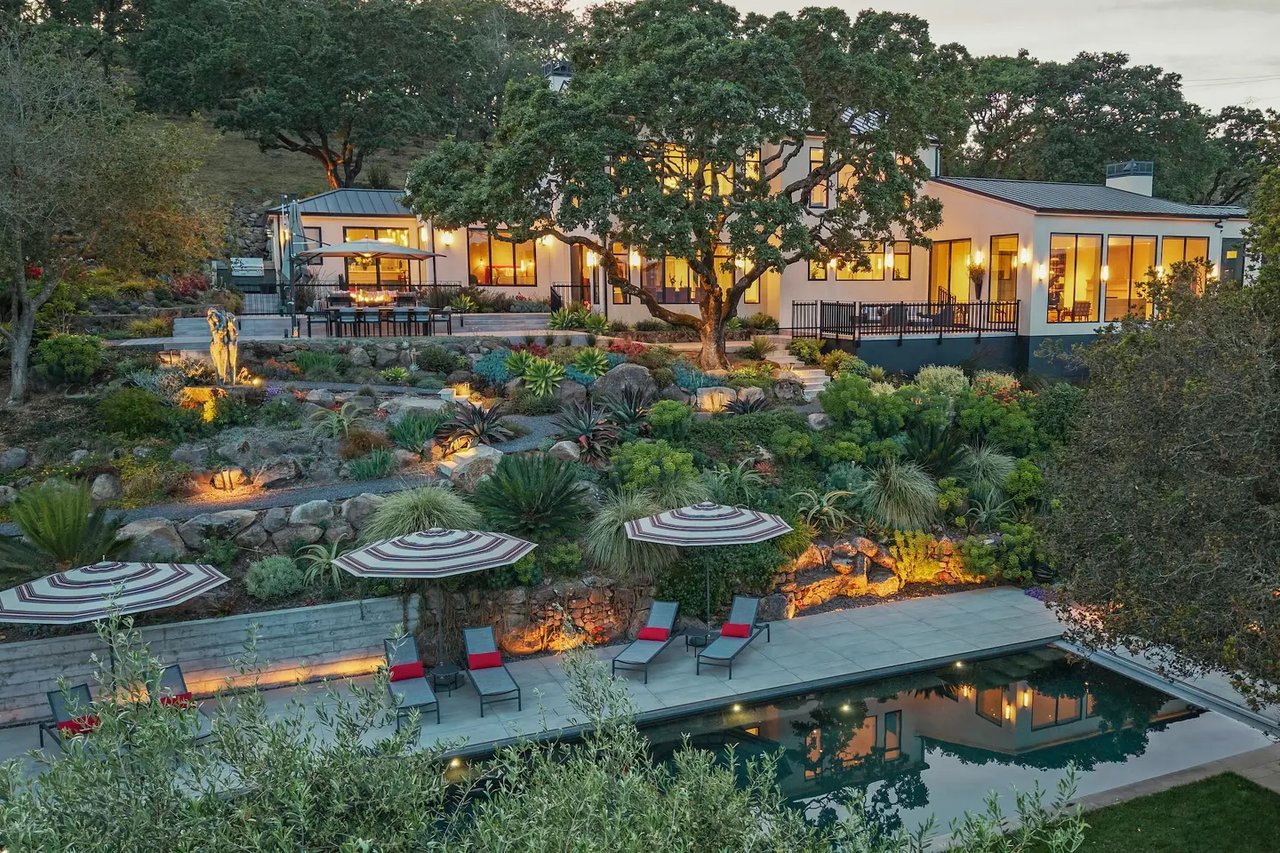
Inside the creative financing strategies reshaping Bay Area homebuying
News
August 13, 2026
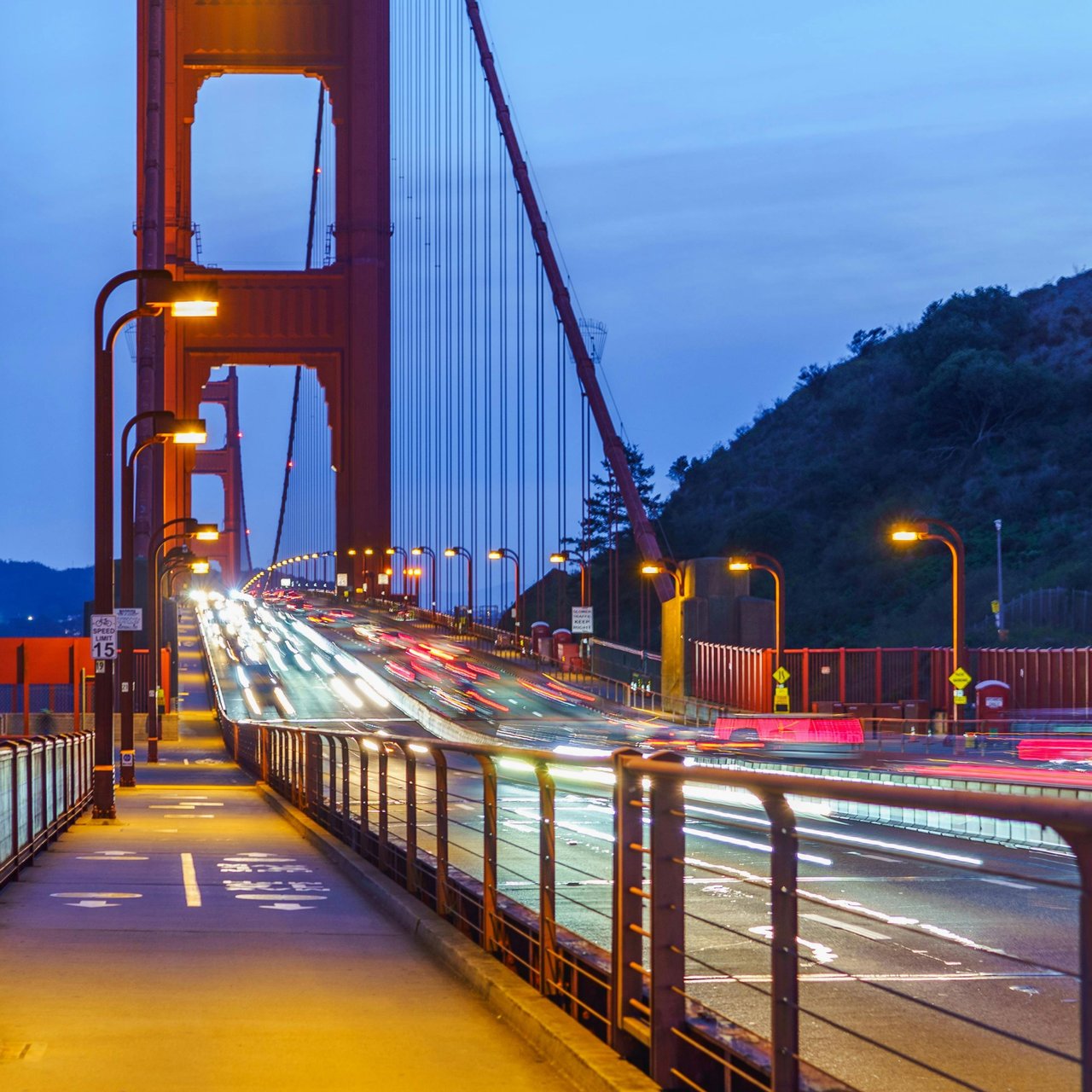
How wellness, longevity, and resilience are reshaping what Bay Area buyers want at home.
July 27, 2026
Your insider guide to what’s happening on both sides of the bridge!

July 21, 2026
From global flagships to boutique debuts, here's what just opened and what's coming next.
News
July 19, 2026
Why buyers have more leverage in some markets while competition continues to intensify in others.
News
July 9, 2026
What the next wave of AI wealth could mean for the city's housing market.
June 23, 2026
Your insider guide to what’s happening on both sides of the bridge!
From strategy to sold
The Binnings Team is one of the Bay Area's most successful agent teams, consistently ranked among the top-performing agents in San Francisco and Marin. Whether you're buying or selling a home, we can help you get the most for your investment.