The data is in, and it tells a story that residents of
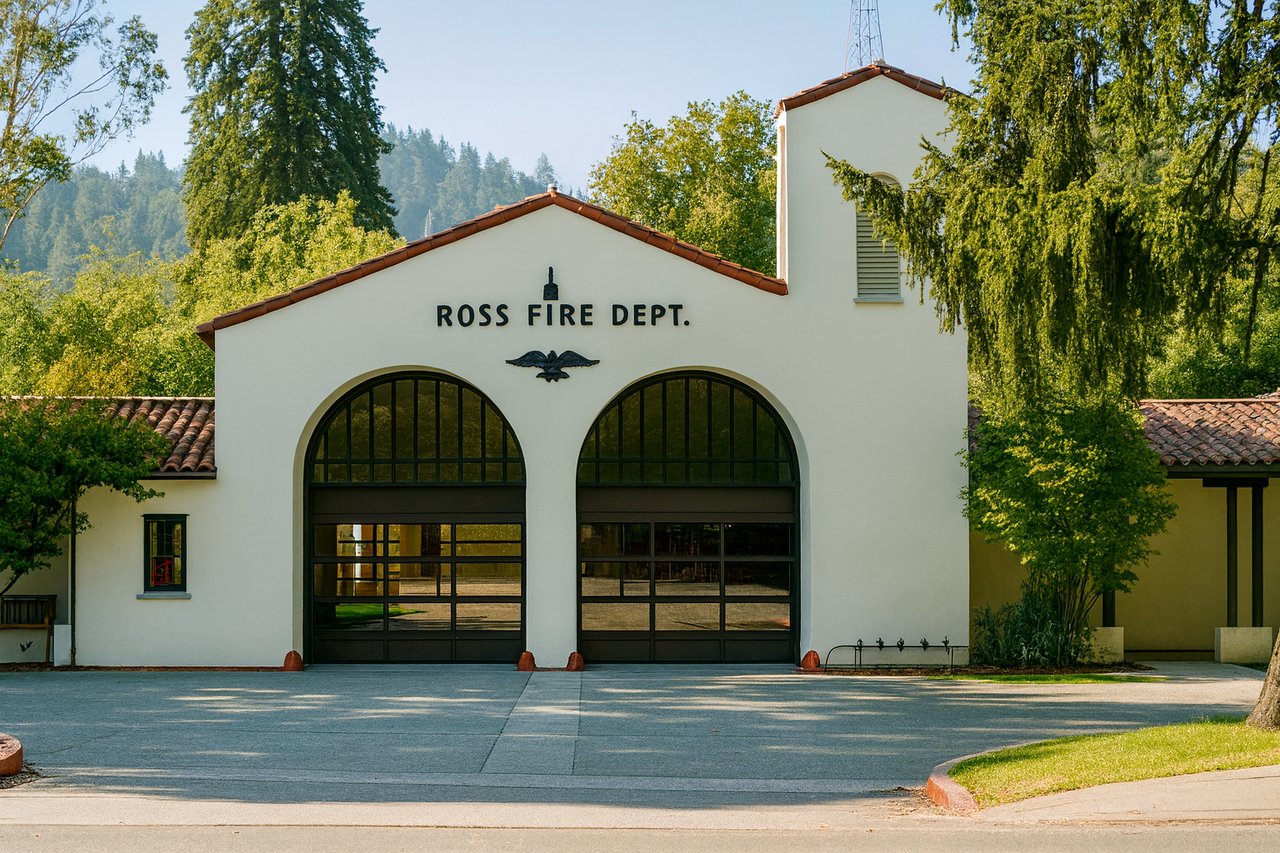
Ross were hoping wouldn't come true. Since the town's
fire station closed its doors on July 1st, emergency response times have climbed dramatically—not by seconds, but by minutes that can mean the difference between a controlled incident and a tragedy.
Before the closure, Ross's fire engine averaged a response time of 7:55 minutes. That's already slightly above the 7:30 minute benchmark that
Citygate, the town's own safety consultant, identifies as the threshold for preventing fires from escalating out of control and minimizing permanent medical trauma. Now, post-closure, that response time has jumped 38% to 10:56 minutes. Ambulances fare even worse, arriving in an average of 14:02 minutes—a 42% increase that puts emergency medical response more than six minutes beyond best practice standards.
These aren't just abstract numbers on a spreadsheet. Think of it this way: in the time it takes for help to arrive now versus before, a small kitchen fire can engulf a room, or someone experiencing cardiac arrest can slip beyond the window where intervention makes a meaningful difference. The human brain begins to suffer irreversible damage after just four to six minutes without oxygen.
Friends of Ross Firehouse, a community group advocating for the station's restoration, has raised concerns about how the town is presenting this data. The organization points out that earlier Citygate studies from 2019 and 2024 included incident data from
Phoenix Lake, one of Ross's highest-risk areas for both fires and medical emergencies. The lake area was historically served by Ross Station 18 as its primary response unit. Yet the town now wants to exclude Phoenix Lake incidents from its analysis, along with non-emergency calls, without providing a clear rationale for the change.
This matters because emergencies don't check addresses before they happen. A heart attack at Phoenix Lake is just as urgent as one on Ross Common. A structure fire near the lake threatens homes and lives the same way one anywhere else in town would. When you start carving out exceptions and exclusions from your data set, you're no longer looking at the full picture of public safety—you're looking at the picture you want to see.
The sample size since closure is admittedly small, which the Friends of Ross Firehouse readily acknowledges. But when every data point shows response times moving in the wrong direction, and when those increases are measured in minutes rather than seconds, the trend becomes difficult to dismiss. This isn't about statistical noise or random variation. It's about a systematic change in how quickly help can reach Ross residents when they need it most.
Fire Chief Mahoney will present these findings at the
Town Council meeting on December 11th at 6:00 PM, offering residents a chance to ask questions and understand what these numbers mean for their families. Then, on January 8th, Friends of Ross Firehouse will present their own proposal—a cost-effective plan to rehabilitate the existing public safety structure while preserving its century-old historic character.
At its core, this debate isn't really about budgets or buildings. It's about what kind of community Ross wants to be and what level of risk residents are willing to accept. Every town makes tradeoffs between costs and services, but public safety sits in a category of its own. You can defer road repairs or postpone park improvements, but you can't defer a medical emergency or postpone a house fire.
The path forward requires transparent data, honest conversation, and ultimately a democratic decision by Ross residents about their own safety. Whether you believe the station should reopen or remain closed, the discussion deserves better than cherry-picked statistics and incomplete analysis. Show up, ask questions, and make your voice heard. Your family's safety might depend on it.